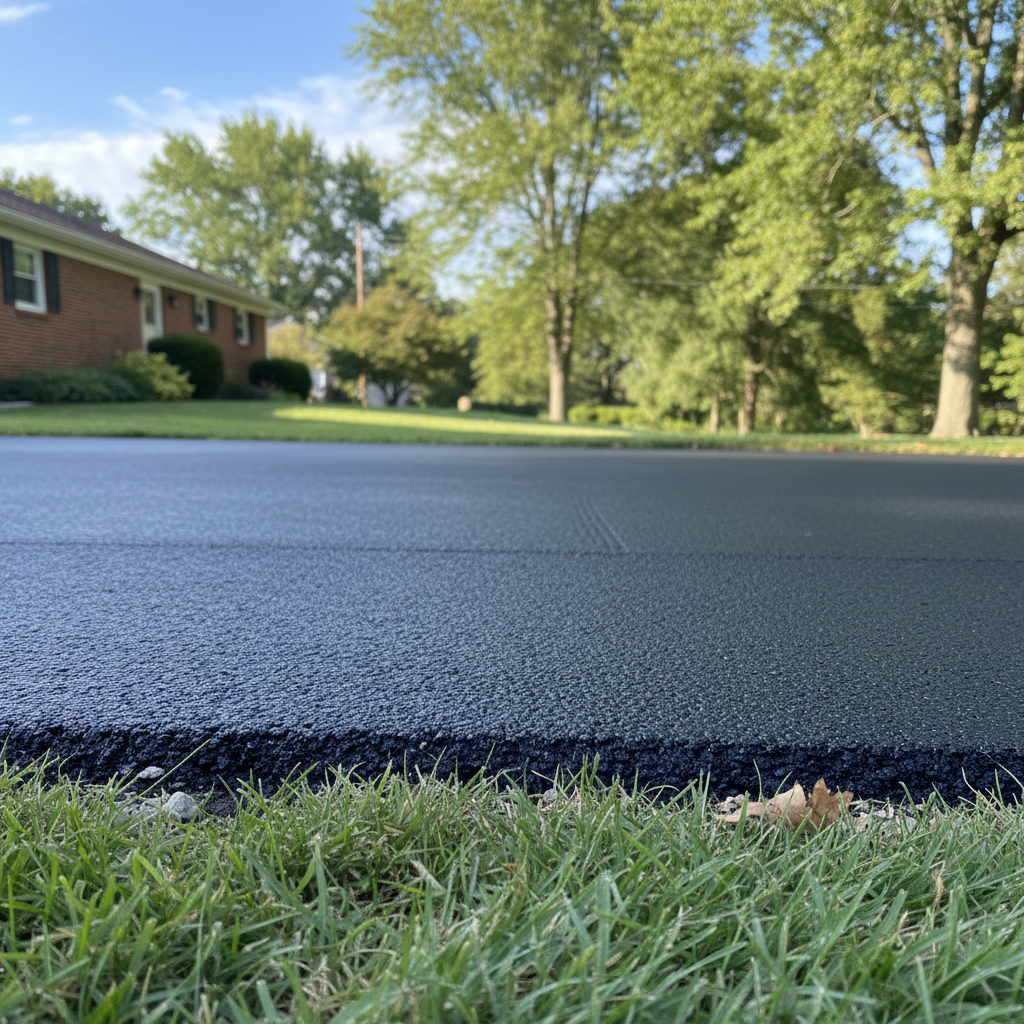
Alright, let's talk commercial asphalt. If you own a business or manage a property here in Paterson, you know your parking lot isn't just a place to park cars; it's the first impression your customers get. A beat-up, pothole-ridden lot screams neglect, and that's definitely not the message you want to send. I get a lot of questions about commercial asphalt, and frankly, some of the answers out there are just marketing fluff. So, I'm gonna give it to you straight, based on what we've seen and done right here in Passaic County for years.
What's the difference between residential and commercial asphalt?
This is a big one, and it's not just about size, though commercial jobs are usually bigger. The real difference is in the engineering and materials. Residential driveways are designed for light vehicle traffic – cars, maybe a small delivery truck now and then. Commercial lots, though? They've got to handle everything from heavy delivery trucks and dumpsters to constant turning and braking from hundreds of cars daily. That means a much thicker asphalt layer, often with a stronger aggregate mix, and a more robust base layer underneath. You're looking at different compaction requirements, too. We're talking about a structure built to withstand a lot more stress and weight over a longer period. You can't just scale up a driveway design and expect it to hold up for a commercial plaza, can you?
How long should a commercial asphalt parking lot last?
A well-installed commercial asphalt lot, with proper maintenance, should give you a good 20 to 30 years. That's the benchmark. But here's the catch: "well-installed" and "proper maintenance" are doing a lot of heavy lifting in that statement. If the sub-base wasn't prepared correctly, or if you skimp on sealcoating and crack filling, you'll be lucky to get 10-15 years before major issues pop up. Things like heavy snowplowing in the winter, or constant heavy truck traffic, can also shorten that lifespan. It's an investment, and like any investment, you get out what you put in. Don't let anyone tell you it'll last forever without lifting a finger.
What causes potholes and cracks in commercial lots, and how do you fix them?
Potholes and cracks are mostly caused by water and traffic. Water seeps into tiny cracks, freezes, expands, thaws, and then the asphalt weakens and breaks under the weight of vehicles. It's a cycle that's especially brutal with our Paterson winters. Poor drainage is a huge culprit too; if water just sits on your lot, it's going to find its way in. For cracks, we usually clean them out thoroughly and fill them with a hot rubberized sealant. This stops the water from getting in. Potholes are a bit more involved. For smaller ones, we can do a "patch" – cut out the damaged section, clean it, apply a tack coat, and fill it with new hot asphalt, then compact it. For larger, more widespread damage, you might need milling and overlay, or even a full-depth repair where we dig down to the base. You can't just throw some cold patch in there and call it a day; that's a temporary fix at best.
Is sealcoating really necessary for commercial asphalt?
Absolutely, 100% yes. Think of sealcoating as sunscreen and a protective barrier for your asphalt. It protects against UV rays from the sun, which oxidize the asphalt binder and make it brittle. It also seals the surface, preventing water, oil, and chemicals from getting in and causing damage. Plus, it gives your lot that fresh, black look that really spruces up your curb appeal. For commercial properties, I recommend sealcoating every 2-3 years, depending on traffic and how harsh the elements have been. It's a relatively inexpensive maintenance step that significantly extends the life of your pavement and delays much more costly repairs down the line. It's like changing the oil in your car; you just do it.
When is the best time of year to get commercial asphalt work done in Paterson?
Here in Paterson, the sweet spot for asphalt work is generally late spring through early fall. You need consistent temperatures above 50 degrees Fahrenheit, and ideally, no rain. Asphalt needs to cure properly, and cold temperatures or moisture can really mess with the integrity of the new pavement. We're usually looking at May through October for the best conditions. Trying to lay asphalt in late November or December is just asking for trouble; the ground is too cold, and the asphalt won't bond right. Planning ahead is key, especially for bigger projects. You don't want to be scrambling in peak season when everyone else is trying to get their lots done too.
How do I know if I need a repair, an overlay, or a full replacement?
This is where an experienced eye comes in. If you've got isolated cracks and a few potholes, but the overall structure of your lot is still solid, repairs and sealcoating might be all you need. If you're seeing widespread alligator cracking (looks like alligator skin), significant rutting, or large areas of crumbling pavement, but the base layer is still mostly intact, an asphalt overlay could be the answer. That's where we mill off the top layer of existing asphalt and put down a new one. It's less expensive than a full replacement. However, if your lot is showing major signs of base failure – you've got significant heaving, depressions, or potholes that keep coming back in the same spots – then you're probably looking at a full-depth replacement. That means tearing out the old asphalt and base, re-grading, and installing a brand new base and asphalt layers. We'll always come out and give you an honest assessment of what's truly needed. We're not going to push you into a full replacement if a repair will genuinely do the trick; that's just not how Primetime Paving operates.
What should I look for in a commercial asphalt contractor?
You want someone who's got a proven track record, especially with commercial jobs, not just residential driveways. Ask for references, and actually call them. Check their insurance and licensing – you don't want any liabilities falling on you. Make sure they understand local regulations and permits, especially for commercial properties. A good contractor will come out, do a thorough inspection, and give you a detailed, written proposal that explains exactly what they're going to do, what materials they'll use, and a clear timeline. They should be transparent about potential challenges and solutions. And honestly, trust your gut. If they're rushing you, or their price seems too good to be true, it probably is. You're investing a lot of money; you want a crew that knows what they're doing and stands by their work.